
Medical Genetics

genetherapy

GENE THERAPY

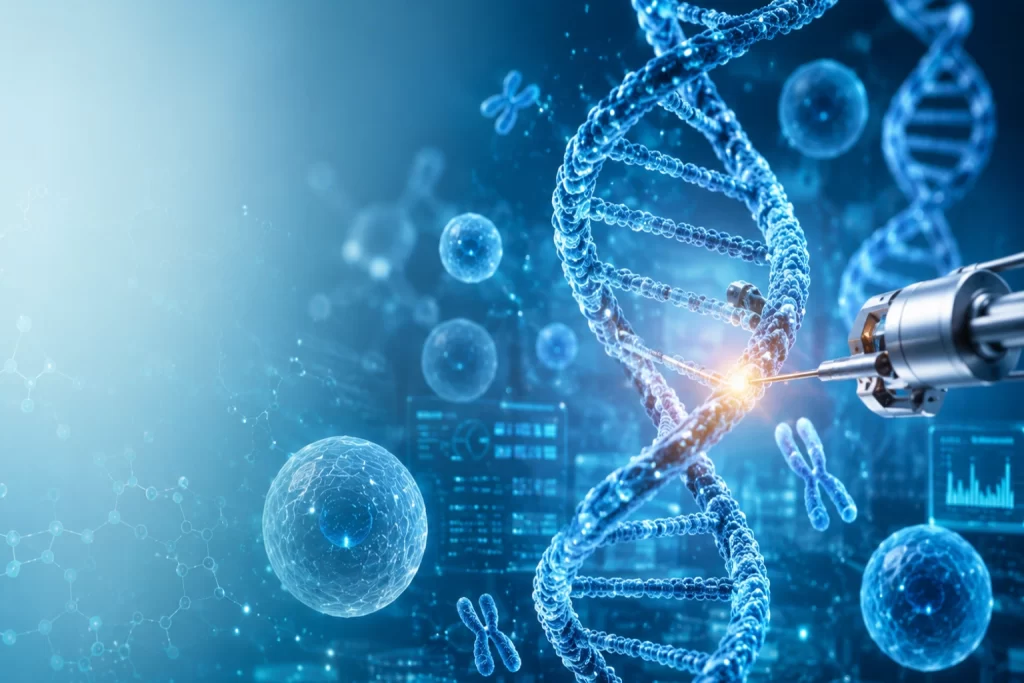
You will be surprised to know that through gene therapy a number of agonising and debilitating diseases will be pushed into history! Gene therapy involves changing the genetic information in a cell. For the ease of understanding genes, let me explain all the terms with relation to one another in a human cell. Cells contain a nucleus, which is the controlling center of the cell. Nucleus contains chromosomes. Chromosomes are made up of genes, which in turn are made up of Deoxyribonucleic acid (DNA). Changes in the composition of DNA are very important in determining the expression of a gene. We talk about variant SARS Coronavirus, otherwise called mutation, causing Kent, South African and Indian variants of Covid-19. During mutation, there will be a deletion or addition of a nucleic acid, in the case of SARS coronavirus, it is Ribonucleic acid (RNA). Gene therapy is intended to modify or manipulate the expression of a gene or to alter the biological properties of living cells for therapeutic use. Gene therapy is a technique that modifies a person’s genes to treat or cure disease. Gene therapies can work in several ways; It replaces a disease causing gene with a healthy copy of the gene. It inactivates a disease causing gene that is not functioning properly. It introduces a new or modified gene to treat a disease. Gene therapy techniques are used to treat diseases including cancer, genetic diseases, and infectious diseases. Gene Therapy Products (GTP) are biological products regulated by Centre for Biologic Evaluation and Research (CBER) of Food and Drug Administration (FDA) of America. Gene therapy products are the following; Plasmid DNA, a circular DNA molecule which can be genetically engineered to carry therapeutic genes into human cells. Viral Vectors, have a natural ability to deliver genetic materials into cells (that is how SARS coronavirus multiply in human cell), and therefore some gene therapy products are derived from viruses. Once viruses have been modified to remove their ability to cause infectious disease, these can be used as vehicles to carry therapeutic genes into human cells. Bacterial Vectors, can be modified to prevent them from causing infectious diseases and then used as vehicles to carry therapeutic genes to human tissues. Human gene editing technology is a method by which editing disrupts harmful genes or repairs mutated genes. Patient Derived Cellular Gene Therapy Products is a technique in which cells are removed from patients and modified through viral vectors and then returned to patients. There are stringent government regulations on initiating and developing gene therapy in most developed countries. First gene approved therapy was performed on a four year old child in September 1990 to treat a genetic defect that left her with a severe immune deficiency. Since then it was done on body cells for diseases like Cystic Fibrosis, Familial Hypercholesterolemia, cancer, and severe combined immunodeficiency (SCID). Marketing a gene therapy product requires submission and approval by a Biologics License Application (BLA). If you search on the internet, you will find laboratories offering gene therapy at a cost. There are monogenic disorders, like Cystic Fibrosis, Familial Hypercholesterolemia, and severe combined immunodeficiency (SCID), sickle cell anaemia, hemophilia, Duchenne Muscular Dystrophy, Parkinson’s Disease, Huntington’s Disease, chronic granulomatous disease, Fanconi’s Disease, Alpha-1 antitrypsin deficiency and Gaucher’s disease. In these diseases, the defective gene is in a single locus, and the diseases are 100% inherited. Nowadays many of these diseases with single locus defect, can be treated. There are genetic diseases in which multiple loci are involved. In this category, diseases like diabetes, heart disease, cancers, schizophrenia and Alzheimer’s disease, and infections like human immunodeficiency virus disease (HIV) are included. Some of them are associated with unhealthy lifestyle. By genetic analysis (mapping of genes), it is easy to determine whether someone is likely to get the inherited disease. While I was practising two years ago, the representatives of genetic analysis companies were approaching me for promoting their business. By mapping genes, we can find out who is likely to get a single locus or multi loci genetic disease. Research is being carried out to edit multiple gene defects and then to cure or improve the disease process. I shall explain step by step the process of treating haemophilia through gene therapy. Haemophilia is an inherited condition, in which the patient is having a deficiency of factor 8 required for clotting. Patients with haemophilia suffer from bleeding disorder on a minor cut or tooth extraction. The treatment for haemophilia is called Roctavian treatment. In Roctavian therapy, recombinant technology of adeno virus vector is used. Roctavian is a modified gene, which is introduced into adeno virus. This is then administered intravenously to the haemophilia patient. Virus vector (vehicle) has the inherent capacity to transfer its genetic material into the host cell, in this case platelets. Once inside the platelet, the modified genetic material multiplies exponentially and instructs the tissues to manufacture factor 8 clotting factor. The study shows, there is more than a 90% decrease in annual bleeding rate and more than 90% decrease in factor VIII use, 3 years after having received an effective dose of gene therapy. The Food and Drug Agency of America (FDA) will be shortly approving treating haemophilia with gene therapy. Gene therapy cannot be administered on the second time as it invokes antigen-antibody reaction. Other side effects of gene therapy include enlargement of liver and allergy. However, its benefits immensely outweigh the side effects. It is refreshing to note that in coming years, more and more diseases will be amenable to gene therapy. Let us hope the devastating misery of diseases like Duchenne Muscular Dystrophy, Alzheimer’s, Parkinson’s and schizophrenia will be diseases of the bygone days
GENE THERAPY Read More »

ancestory

BAGGAGES OF ANCESTORY

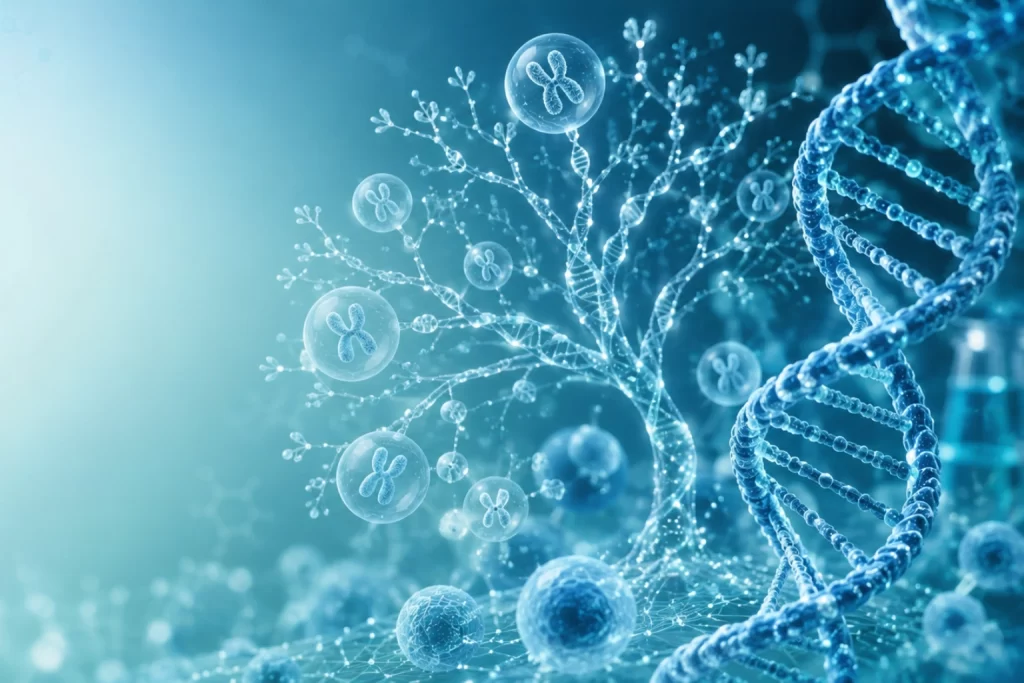
A lot of people are born into wealthy family and they inherit everything through their ancestry. This might be from father, mother, siblings, grand parents, aunts and uncles. Others acquire fame and position solely because of the titles of their parents , example monarchy and lord ship. On the other hand, bad reputation of parents such as having an alcoholic father, murder convict father does also equally affect the offspring. While most people are aware of the above, not all are familiar with the consequence of born to a parent with familial or inherited diseases. We hear others comment on our child as ‘chip of the old block’, which not only cover physical attributes, but also mannerisms, habits and character. Off springs when fully grown, invariably they get the height ,facial features of their parents in their good or bad attributes. Physical features like curly hair, baldness, freckles, dimple, hair colour and skin colour are all inherited from one parent or the other.In this blog, let me address medical aspect of inheriting ancestral traits by enlightening the diseases transmitted by genes. Genetically transmitted diseases are caused by abnormalities or mutations in an individual’s DNA or chromosomes that are inherited from one or both parents. Genes are a segment of DNA while genomes are the entire genetic material of an organism.Genes are packed in chromosomes. A single gene can contain about 1 million base pairs of DNA and a single chromosome can contain about 1,000 gene Around 1 in 50 people are affected by known single-gene disorder, while around 1 in 263 are affected by chromosomal disorder. Around 65% of people have some kind of health problem as a result of congenital genetic mutations. We know human beings have 23 pairs of chromosomes in the nucleus of cell. Each chromosome is made up of DNA or deoxy ribonucleic acid . DNA is also found in mitochondria in the cell. There are several mechanisms by which these mutations may be inherited. They are autosomal dominant inheritance in which inheritance occurs when a single copy of a mutated gene is enough to cause the disease. If the parent has a mutated gene in one of his/her two chromosomes there is a 50% chance that his/her offspring will inherit the disease. An example for autosomal dominant gene is Huntington’s chorea. In Autosomal recessive inheritance, an individual inherits two copies of inherited mutated gene one from each parent. If both parents carry a mutated gene but do not show symptoms of the disease there is a 25% chance of their offspring will inherit two copies the mutated gene and develop the disease. Cystic fibrosis and sickle cell anemia are two examples of autosomal recessive inheritance. In X-linked inheritance occurs the mutated gene is located on the X chromosome. Since females have two X chromosomes while males have one X chromosome, one X chromosome of female will not manifest symptoms, while the male offspring having one X chromosome will manifest the disease. Haemophilia and colour blindness are examples of X-linked recessive inheritance. Mitochondrial inheritance is more common than previously thought. The DNA in the mitochondria of each cell is inherited from the mother, as the egg provides most of the mitochondria to the developing embryo. If the mother has a mutated mitochondrial DNA, all of her offspring will develop the disease. Type 2 Diabetes and Friedreich’s ataxia are examples of diseases transmitted through mitochondrial inheritance. Genetically transmitted diseases occur in all systems of human body such as gastr-intestinal system, nervous system, cardiovascular system Skin, genito-urinary system, musculo-skeletal system and special senses. Among them, most known diseases are cancers of breast, prostate, stomach, haemophilia, cystic fibrosis, retinitis pigmentosa, and Down’s syndrome. These diseases can be identified through gene mapping, which is commercially available now. Hypertrophic Cardiomyopathy is the most common genetically transmitted cardiovascular disease. Cardiomyopathy is a general term for diseases of the heart muscle, where the walls of the heart chambers have become stretched, thickened or stiff. This affects the heart’s ability to pump blood around the body.Many cardiac disorders can be inherited, including arrhythmias and congenital heart disease, It has been well established that high blood cholesterol. Coronary artery disease leading to heart attack, stroke, and heart failure can run in families, indicating the risk of inherited diseases. Neurological Conditions that are inherited are Alzheimer’s Disease.,Huntington’s Disease,Epilepsy.Parkinson Disease. There are other inherited diseases such as Leukodystrophies,phenylketonuria,Tay-sachs disease and Wilson’s disease affecting the CNS. Alzheimer’s disease is a type of progressive dementia which affects people who are over 65 year. First the patient suffers from short term memory loss which deteriorates into confusion and personality change. Huntington’s disease is a condition that damages nerve cells in the brain causing them to have involuntary movements and loss of balance. It is inherited if one of the parent carries the mutated gene. The damage to the brain gets worse over time. It can affect movement, cognition (perception, awareness, thinking, judgement) and mental health. Ataxia causes the sufferer to lose balance on walking , unable speak and swallow properly as the coordination centre in brain is affected. Genetically transmitted diseases affecting gasro-intestinal system include juvenile polyposis, hereditary hemochromatosis, polycystic liver disease, autoimmune hepatitis, Budd-Chiari syndrome, alpha-1-antitrypsin deficiency, and Wilson disease. Other diseases are pancreatitis, celiac sprue, Peutz-Jeghers syndrome, endocrine tumours, hereditary haemorrhagic telangiectasia, and inflammatory bowel disease. Most cancers are not linked to inherited faulty genes. Only around 5% cancer diagnosed ate linked to an inherited faulty genes. Both men and women can have a faulty BRCA1 BRCA2 genes. People who inherit faulty version of these genes have an increased risk of developing different types of cancers. This includes breast cancer, ovarian cancer and prostate cancer. Through genetic mapping, these faulty genes can be identified and if positive, sufferers can cut the risk by undergoing prophylactic removal of breast, ovary or prostate. Skin conditions known for genetic transmission include atopic dermatitis, psoriasis, vitiligo, albinism and. epidermolysis bullosa. Most common dysplasias like osteogenesis imperfecta, achondroplasia, and osteopetrosis are genetically

BAGGAGES OF ANCESTORY Read More »